
Swag That Travels Well: Lightweight, Sustainable Promotional Products for Fly-In Shows
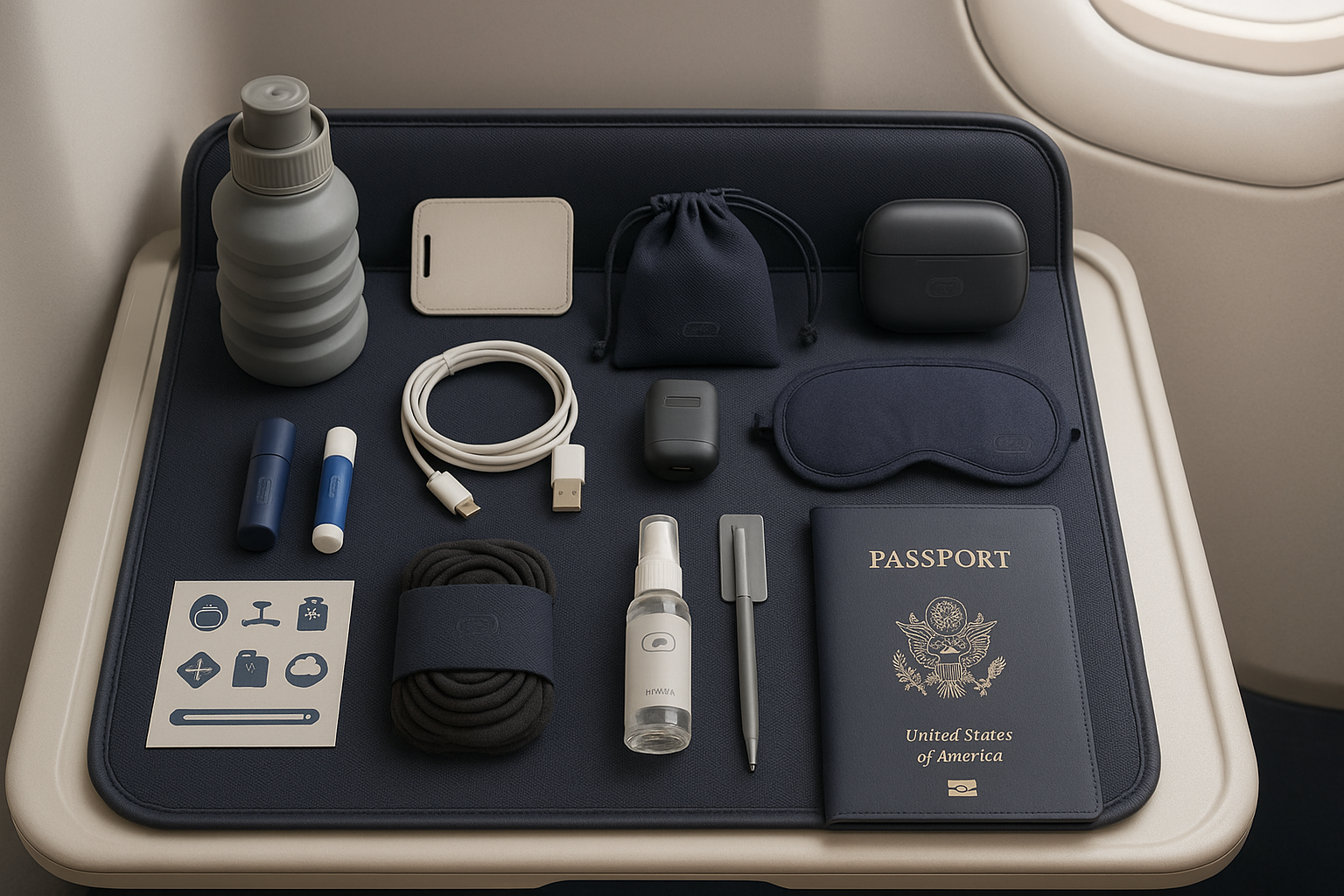
Compact, flight-friendly swag—like a collapsible bottle, eye mask, earbuds, and sanitizer—travels easily and keeps your brand in hand from gate to gate.
Flying home with a suitcase full of bulky giveaways is why so much booth swag gets abandoned at hotels or tossed before TSA. The goal isn’t to shrink your brand, it's to design a sustainable assortment that packs flat, feels premium, and keeps your logo in use long after the trade show. Below is a copy-ready blueprint for travel agencies, tourism brands, and any exhibitor courting fly-in customers: how to choose promotional products that are carry-on friendly, environmentally friendly, and built for repeat impressions.
The strategy: carry-on first, landfill last
Start by treating weight and volume like line-item costs. Thin formats reduce freight, waste, breakage, and labor and increase usability. Everything should slip into a laptop sleeve, jacket pocket, or personal-item bag without warping. Think recycled textiles, collapsible drinkware, and paper-first packaging. When an item is easy to pack, travelers actually continue to use it in offices, airports, and on video calls, multiplying marketing impressions and building the brand far beyond the booth.
At the same time, design for sustainability. Choose materials that survive travel—stainless steel, durable polyester, recycled cotton, soft nylon, neoprene, and responsibly sourced wood, and print the sustainability claim precisely (“recycled fiber,” “paper band—please recycle”). That’s how you cut plastic pollution without greenwashing.
Bags that disappear, then reappear
Tote bag programs fail when totes are bulky. Opt for featherweight, packable styles in recycled polyester with a tiny stuff-pouch. They compress to palm size, then expand when attendees overflow their baggage or need a day-bag for appointments. For a higher value, add a fold-flat duffel bag or packable backpack—both viable as personal items. Interior branding (a subtle business card pocket with a QR to your demo page) keeps the exterior clean and branded without shouting.
Small touches matter: a recyclable bag tag printed full color on paperboard; a low-profile carabiner; or a stitched sleeve to slide over a roller handle. Avoid hard plastic hangers, chunky zips, and foam panels—the enemy of carry-on travel.
Drinkware that actually travels
Traditional tumblers are heavy. For sustainable travel, give slim solutions: roll-flat pouches with locking caps, collapsible silicone cups, or narrow stainless steel straws with a mini cleaner in a paper tube. If you must give a water bottle, keep it slender and light, with laser engraving instead of a thick, crack-prone wrap. Pair with an insert listing refill stations in the venue and a line about ocean and river pollution reduction. This is where sustainable swag ideas connect directly to traveler habits: refill, reuse, save.
Desk-ready paper goods that pack flat
A5 notebook + metal pens is still the executive favorite, especially when stitched with recycled paper and a blind-debossed mark. Add a trim stylus tip for tablets and computer screens. Keep the promotional message on a slender insert rather than the cover; it reads retail and slides into a laptop pocket. If you need a micro handout, a tear-off planner, a cable-label card, or a tidy sticker sheet works without bulking.
Yes, you can get creative: marble-pattern or crystal-finish covers (thin, not heavy), muted yellow edges for visibility inside a bag, or a wood-grain paper band. Avoid foil blocks that crack, and skip plastic spiral coils that snag in a sleeve.
Personal comfort that earns the carry-on spot
Travelers keep what helps on the plane. Think lip balm in a paper tube, reef-safe sunscreen sticks, non-liquid sanitizing wipes, compact earmuffs or soft ear covers, compression socks, or a slim microfiber towel in neoprene. All are TSA-safe and pack to nothing. For hospitality, tuck a tea sachet, popcorn card for the hotel microwave, or an electrolyte stick into your kit—lighter than a mug or candy tin, and far more appreciated than a plastic sample that melts in the aisle heat.
Apparel that travels (and gets worn)
If you’re gifting clothing, make it featherweight: soft tri-blend tees, long-sleeve layers, or jogger sweatpants that compress small. A tonal chest mark or sleeve hit looks advertising-smart and avoids “promo” vibes. For headwear, a low-profile cap (no bulky crowns), a twill visor for sport activations, or a rolled hoodie with a tiny woven label. Skip dense camouflage prints that won’t pair with business attire; consider neutral color palettes travelers can wear with a blazer or dress.
Tech that passes TSA and still feels premium
Keep tech battery-free at the aisle: braided short cables, compact USB hubs powered from the laptop, privacy webcams, cord wraps, or a slim RFID wallet. For VIPs, fold-flat wireless pads (no battery) or premium headphones with collapsible arms. Mark with a micro laser or etch; push the story to the card. Anything with lithium should be limited, documented, and not handed out casually on the aisle or to international travelers dealing with custom travel rules.
Kits that wow without bulk
Kits read like gifts—without the duffel. Build flat kits: notebook + pen + cable in a paper wallet; or tote + collapsible straw + refill map card. Use rigid paperboard instead of plastic clamshells; the board protects, stacks, and recycles. Tuck a coupon or gift card behind the band; seal with a tidy button sticker. If you need a hole punch or tool in the message (e.g., for construction or kitchen brands), keep it key-ring size and blade-free—no scissors, no knives.
Decoration that travels (and keeps traveling)
Decoration decides whether an attendee carries or trashes an item. Choose laser engraving on steel or metal, woven labels on textiles, and crisp screen printing on cotton or polyester with water-based inks. Keep marks small; place campaign copy on the insert, not the surface. A subtle mark looks like company swag from a boutique, not a giveaway. If you must go full color, reserve it for the card. Your brand gains more impressions from a subtle piece someone loves than a loud one they leave in the hotel bin.
TSA, airline, and security realities
Design to avoid secondary screening. No aerosols, loose batteries, blades, or fluids above 3.4oz. Compact first aid is fine if it skips scissors. Metal density can flag bags; keep multi-metal kits minimal. Post a small placard at the booth—“Carry-on friendly giveaways”—and add a line on the insert for reassurance. If attendees ask via email or chat, link them to your TSA-safe swag note in the event FAQ and contact form.
Shipping, staging, and pack-out
Light gear changes transport math. Right-size cartons; choose corrugate dividers over foam; label by tier (aisle, counter, VIP). A pack diagram shows where everything lives on the counter so a new employee can restock in seconds. If you’re working with an agency or multiple travel agencies, provide a single kitting standard so the display matches across locations.
Sustainability without performative claims
Lightweight does not mean flimsy. Specify recycled inputs (rPET, recycled cotton), paper bands, and refillable formats. Put a single honest sentence on every card—“This tote uses recycled polyester; the band is paper—please recycle”—and track diverted waste with your warehouse counts. Real sustainable promotional products avoid plastic bottle shells and laminated clamshells that head straight to landfill. When you swap in paper, you cut plastic and the associated pollution that reaches rivers and the ocean.
If you gift snacks, skip tubs; choose wrapped pieces that won’t melt in a duffel or cooler pocket. If you gift wine, keep it off the aisle and provide a redemption coupon shipped later—no broken glass, no gate checks.
Category-by-category recommendations (narrative format)
Bags & carry: Packable recycled-poly tote bag as the workhorse; optional fold-flat backpack for sales meetings; compact duffel for VIPs. Interior print hosts the QR and account link.Drink & wellness: Collapsible cup; slim straw set; lip hydrator; reef-safe stick sunscreen. All paper-banded.Desk & tech: A5 notebook, metal pen, cable trio, low-profile webcam cover; everything fits a desk drawer or laptop pocket.Apparel & comfort: featherweight tee or layer; beanie; small microfiber towel; nothing bulky, everything rollable.Odds-and-ends for travel stories: bag tag with itinerary QR; mini umbrella; slim wallet sleeve; travel toiletry bag in neoprene.
Even novelty can be light: a single candy square with a message card, or a tea card that turns the hotel kettle into hospitality. Save marble coasters and crystal paperweights for in-office gifting, not fly-home shows.
Measurement: make every giveaway accountable
Giveaways aren’t free media unless you can prove it. Assign unique URLs and UTMs per item and booth surface. Tag “bag-interior QR” differently from “counter card QR.” After the show, connect scans to meetings and opportunities. If email chat responses spike from the bag interior QR, you know that’s working; if the wallet sleeve underperforms, retire it. Travel-friendly programs evolve through data.
Price tiers and where to spend
Concentrate spend where it converts. The aisle tier should be featherweight and inexpensive; the counter tier earns the next meeting; the VIP tier is the story piece. A slim water pouch, a flat kit, then a fold-flat charger or premium packable bag is a proven ladder. Heavy glass, dense metals, leather kits, or novelty footwear should move to hospitality or post-show shipments.
Compliance and culture
Mind cultural norms across conference audiences. Keep slogans neutral; avoid icons that don’t translate; and provide size-inclusive apparel if you choose shirts, hoodie, or tank options. Note that some venues ban outside popcorn or open containers; check rules before you plan aisle snacks. If you serve tea, provide labeled, sealed sachets.
Putting it all together: a carry-on-safe set
Packable recycled tote with interior QR panel
A5 notebook + metal pen in a paper wallet
Collapsible cup + straw set with care card
Lip balm in a paper tube, sanitizing wipes
Optional: bag tag, privacy cover, fold-flat wireless pad (VIP)
Everything slides into a sleeve or pocket, passes TSA, and supports sustainable travel goals. Nothing triggers extra fees or leaves a trail of plastic.
The close
Travel-smart swag is a marketing advantage: lighter giveaways that people actually pack, reused daily, and aligned with your sustainability commitments. Choose compact formats, decorate like retail, kit in paper, and measure every giveaway. Your brand will fly farther with fewer cartons, less waste, and more real-world impressions—exactly what promotional items are meant to do.
Frequently Asked Questions
What are the benefits of using lightweight promotional products?
Lightweight promotional products are easier for attendees to carry, increasing the likelihood that they will keep and use them. This leads to more brand impressions over time, as these items can be used in various settings, such as offices or during travel. Additionally, lightweight products often align with sustainability goals, reducing waste and the carbon footprint associated with heavier items. By choosing lightweight options, brands can enhance their visibility while promoting eco-friendly practices.
How can I ensure my promotional products are TSA-compliant?
To ensure TSA compliance, avoid items that contain aerosols, loose batteries, or sharp objects. Focus on products that are compact and lightweight, such as collapsible drinkware or flat kits. Clearly label your giveaways as "carry-on friendly" at your booth and provide information on TSA regulations in your promotional materials. This transparency helps attendees feel more confident about taking your products home without the risk of confiscation at security checkpoints.
What materials are best for sustainable promotional products?
For sustainable promotional products, opt for materials that are recycled or easily recyclable, such as recycled polyester, cotton, and paper. Durable materials like stainless steel and responsibly sourced wood are also excellent choices, as they can withstand travel and usage. Additionally, ensure that any printed claims about sustainability are clear and honest, avoiding greenwashing. This approach not only reduces environmental impact but also resonates with eco-conscious consumers.
How can I measure the effectiveness of my promotional giveaways?
To measure the effectiveness of your promotional giveaways, assign unique URLs or tracking codes to each item. This allows you to monitor engagement and interactions, such as website visits or inquiries generated from specific products. After the event, analyze the data to determine which items performed best in terms of generating leads or conversions. This information can guide future promotional products strategies and help optimize your marketing efforts.
What types of products are most appreciated by travelers?
Travelers tend to appreciate practical items that enhance their travel experience. Lightweight and compact products such as lip balm in paper tubes, collapsible drinkware, and travel-sized sanitizing wipes are often well-received. Additionally, items that offer comfort, like compression socks or slim towels, can be particularly valued. By focusing on functionality and convenience, brands can create memorable giveaways that travelers will use and appreciate long after the event.
How can I create a cohesive promotional product strategy for events?
To create a cohesive promotional product strategy, start by defining your brand message and target audience. Choose products that align with your brand values and resonate with attendees. Ensure that all items are designed to be lightweight and travel-friendly, and consider packaging them in a way that reflects your brand identity. Consistency in design, messaging, and sustainability will enhance your overall impact and make your promotional efforts more effective.
What are some creative ideas for eco-friendly promotional kits?
Creative eco-friendly promotional kits can include a combination of practical items that are both useful and sustainable. For example, a kit could feature a recycled tote bag, a collapsible cup, a metal pen, and a small notebook made from recycled paper. You can also include a care card that highlights the sustainability of each item. By thoughtfully curating these kits, you can provide attendees with a memorable and environmentally friendly experience that reflects your brand's commitment to sustainability.

