
How to Use Live Printing and On‑Site Customization to Draw a Crowd
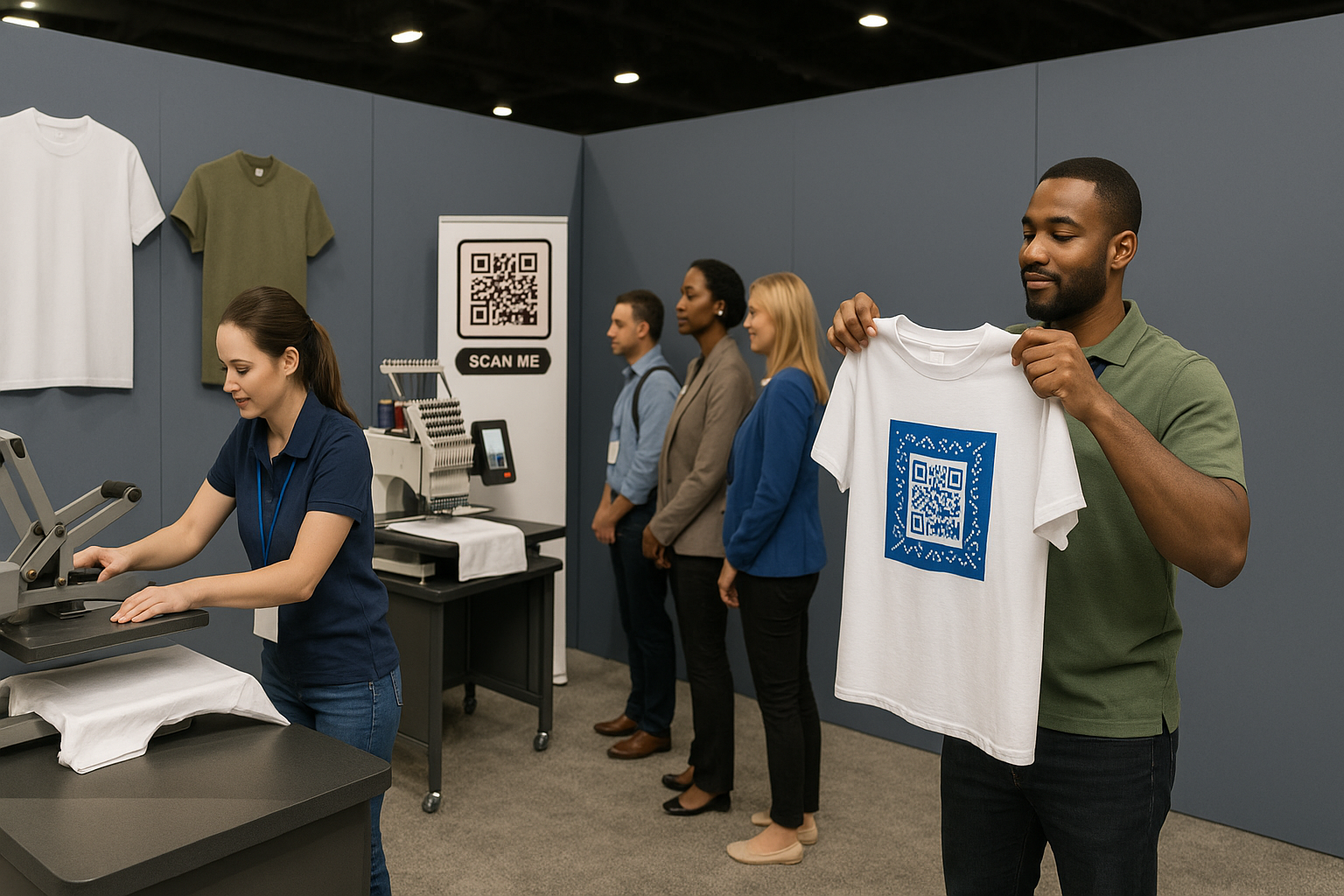
Turn customization into a magnet: invite attendees to choose a design, scan a QR to join the queue, and watch their tee or tote get live-printed—built-in engagement and instant shareable moments.
Live printing turns a passive giveaway into a destination. When attendees watch their name appear on a notebook, see a logo laser‑etched on a tumbler, or choose artwork pressed onto a tote in real time, they pause, connect with your team, and leave with a memorable piece. Below is a practical playbook for planning, running, and measuring a customization bar that attracts attention without creating chaos.
Start with the goal, then pick the format
Decide what the activation must achieve before you choose equipment. If the goal is qualified lead capture, design a flow that gathers contact details during the print. If the goal is product education, make artwork choices reflect your value props. A clear objective lets you script staff roles, signage, and handoffs so the experience feels deliberate, not gimmicky.
Choose the right live‑print method for your booth
Heat transfer press (HTV or DTF). Fast, reliable, compact. Pre‑cut names or printed transfers move from liner to garment in seconds. Ideal for totes, tees, and patches. Low fumes and standard 110V power make it easy to run on the show floor.
Screen printing. The classic “watch it happen” moment. Best for single‑color marks on cotton totes or tees. Use water‑based inks and quick‑cure flashes to simplify ventilation. Throughput improves quickly once you find a rhythm.
Laser engraving. Feels premium on pens, tumblers, and key tags. Quiet, precise, and visually compelling. Initials and short names etch fast; long lines of text slow the queue. Check venue rules for lasers and bring a filtered fume extractor.
UV or pad printing. Good for hard goods—notebooks, phone wallets, badges. Artwork choices are narrower than apparel, but the finish looks retail‑ready. Check out our branded apparel options available.
Foil/deboss for notebooks. A small desktop press can apply initials or a monogram in metallic foil for a refined, executive look. You can find more about promotional products that enhance brand visibility.
Pick one method for speed. Two methods work if each has a dedicated operator and a single queue manager.
Design the flow around dwell time
The print window, usually 45–90 seconds, is your conversation window. Use it intentionally.
Greeter qualifies the visitor and starts the choice: size, color, artwork, or initials.
Data capture happens on a tablet while the item prints: name, email, role, and one intent question.
Closer hands off the finished piece, books the follow‑up, and thanks the attendee by name.
Treat the counter like a boutique with defined roles. The booth feels premium, and throughput stays steady.
Keep customization tasteful so the item gets used
Retail cues drive adoption. Avoid oversized, full‑chest logos. Offer two or three tasteful artwork options that match your brand story and leave a small area for a name or initials. On drinkware, favor laser etch over wraps; on apparel, consider pocket or sleeve placements. Move product messaging to an insert or care card so the item looks like something someone would buy.
Plan for power, safety, and compliance
Confirm amperage and outlet locations with the show services early. Place heat presses and lasers on stable tables with clear safety perimeters and plain‑language signage. If you use aerosols or adhesives, verify venue restrictions. Most shows prefer water‑based chemistry and paper‑first packaging.
Prevent lines without killing energy
Long waits deflate a booth. Use these levers:
Pre‑personalize common names and initials to speed handoff.
Issue claim tickets at peak times. Invite guests to return in 10 minutes and send a text when ready.
Batch similar jobs (e.g., all totes, then all patches) during surges.
Cap options to three artwork choices and a short character limit for names.
A small status screen that reads “Now Printing: Taylor” reassures people the item is on its way and cuts repeat questions.
Make sustainability a feature, not a footnote
Live bars can be greener than bulk handouts. Use recycled totes or tees, water‑based inks, paper sleeves, and recyclable labels. Print only what attendees select to minimize overproduction. Collect misprints for donation or recycling and publish a short post‑show recap: units customized, misprints recycled, cartons avoided. Those specifics carry more weight than vague claims.
Connect the physical item to a digital next step
Include a subtle QR on the insert or inner label that links to a role‑specific landing page. Use UTM parameters unique to the counter so you can attribute traffic. Send an automated email with a photo of the chosen artwork and a relevant resource. When follow‑up references the exact item, response rates rise because the experience is fresh.
Measure what leadership cares about
Track five metrics the same way after every event:
Visitors engaged (unique data captures).
Qualified conversations (meet your criteria).
Meetings set (on‑site or scheduled within a week).
Pipeline created (opportunities opened within 30 days).
Cost per conversation/meeting (total activation cost divided by outcomes).
Because live printing holds the right people long enough to talk, you should see better conversion, not just more traffic.
Staffing and training that feel like retail
Operators need to be comfortable with the equipment before the show. Run a two‑hour rehearsal with timers the week prior: greet, qualify, set artwork, print, hand off, reset. Create a simple runbook: power‑up checks, temperature settings, daily maintenance, and emergency stops. Dress the counter team consistently so visitors immediately know who to ask.
What to print: three winning formats
Carry‑on friendly tote bar. Recycled cotton or rPET tote, two artwork choices, initials optional. High throughput and universal utility.
Notebook nameplate station. Debossed or foiled initials on a linen notebook plus a metal pen. Polished for executive audiences and easy to carry.
Laser‑etched tech essentials. Privacy covers, metal pens, and slim bottles. The laser spectacle draws a crowd without noise; the finished pieces feel premium.
Costs, pitfalls, and ways to de‑risk
Equipment rental and two extra staffers add cost, but programs often break even quickly once you count meetings set. Common pitfalls: overly long artwork menus, untrained operators, and production visible from the aisle that looks messy. Keep the work surface behind a half wall, limit choices, and assign a dedicated queue manager so operators stay focused.
Straight answers (not labeled FAQ)
Will people wait for a printed item?
Yes, if the wait stays under five minutes and they can see progress. Use claim tickets during peaks to avoid long lines.
Do we need a big footprint?
No. A 6–8‑foot counter, one operator, and clear signage can run smoothly. The layout should make entry and exit obvious.
What about failures or misprints?
Plan for a small scrap rate and a reprint protocol. Where possible, convert misprints into donations and note outcomes in your recap. Can this work without personalization?
Live printing will still attract attention, but personalization is the hook that keeps people and starts conversations. Even simple initials increase engagement.
The takeaway
Live printing and on‑site customization create built‑in dwell time your team can convert into qualified conversations. When the experience is purposeful, the product is tasteful, and the data flows are in place, a small counter can outperform a large static booth. Start with one clear goal, pick a reliable method, rehearse the handoffs, and measure conversion like any other channel. The crowd will form, and your results will show why.

