
What to Know About Customs, Shipping & Freight Rules (Las Vegas Exhibitor Edition)
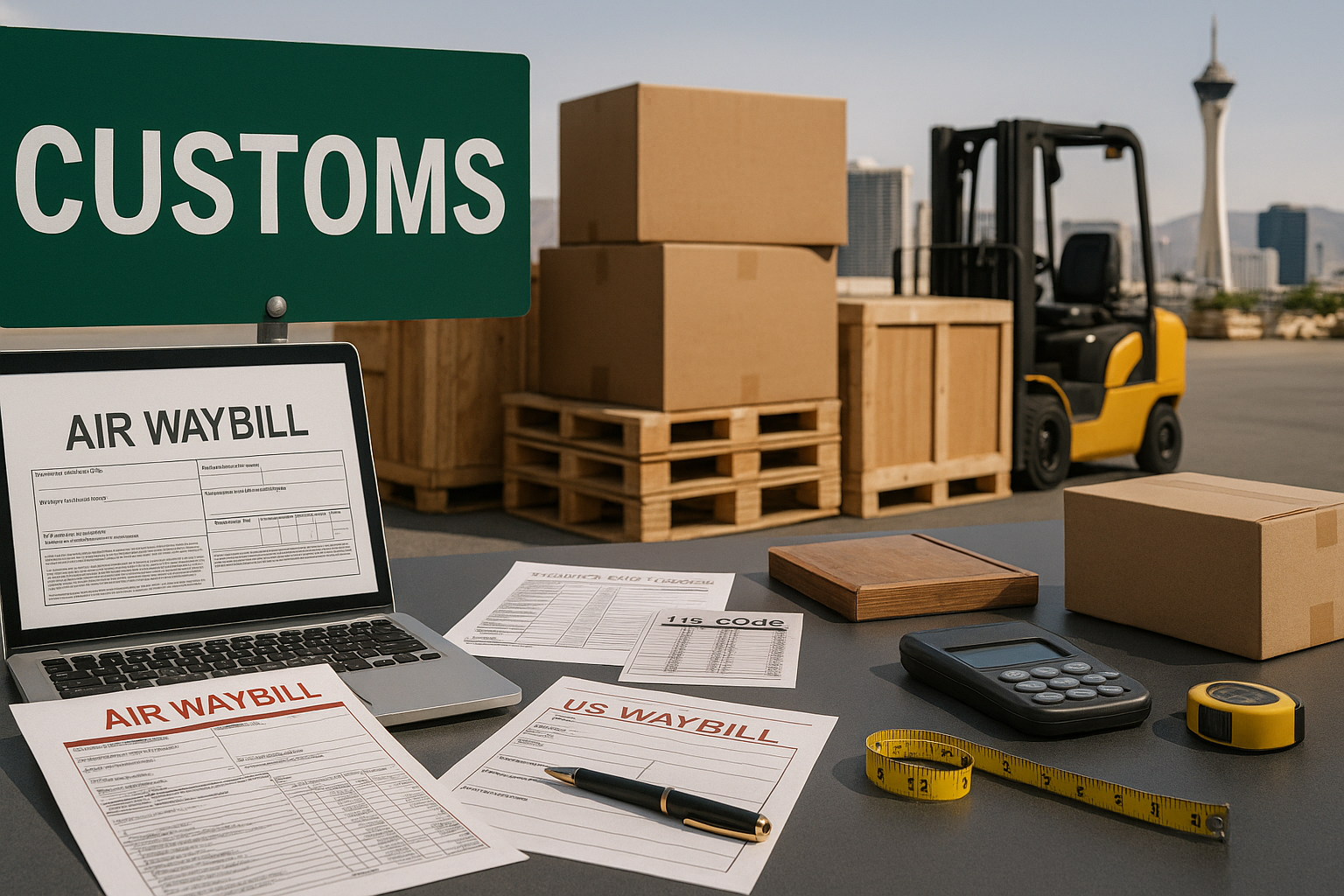
From air waybills to bonded freight and show-site delivery, understanding customs and shipping steps keeps your Las Vegas exhibit on schedule (and out of surprise fees).
Moving a booth across borders is more than “book a truck.” It’s a choreography of customs, transport, freight, warehouse staging, and on-site drayage that determines whether your trade show booth opens on time. This guide translates trade show logistics—sometimes written as tradeshow logistics into a clear, end-to-end plan so exhibitors ship confidently, protect budgets, and keep teams focused on the exhibition instead of the dock.
Map the move from dock to show floor
Every successful shipment follows the same networked path:
origin pickup → export clearance (if international) → line-haul transportation → Las Vegas warehouse (advance) or direct dock appointment → material handling to your space → install → return shipping.
Treat this as a supply-chain network, not a single truck. Your carrier handles shipping and freight; the general contractor handles drayage and delivery to the booth; your team manages the readiness of the trade show materials. When each service knows the next handoff, the move feels simple.
Choose the right entry: Carnet vs. commercial import
For cross-border trade, decide how the goods legally enter the country before you touch a pallet. Reusable structures, tools, and demos typically travel on an ATA Carnet (temporary import with no duties when re-exported). Giveaways and literature belong on a commercial entry with duties paid. Build paperwork that matches what’s in each crate—plain descriptions, HS codes, true values, and carton counts. Customs rewards clarity; vague manifests delay shipping trade show freight when you can least afford it.
Advance warehouse vs. direct to show
Las Vegas runs two intake models. The advance warehouse receives freight 1–3 weeks before move-in, checks counts, and stages delivery by booth number. It absorbs flight diversions, weather, and mixed pallets—ideal for international exhibitor teams. Direct-to-show lands during your targeted window and can trim pre-show storage, but any late truck cascades into missed installs and overtime. Most programs split the load: structures and core stock to the warehouse; a light replenishment run direct after day one.
Understand drayage (material handling) vs. freight
Drayage, also called material handling, is the show’s service that moves goods from the dock to the space and back. It’s billed per hundredweight on anything that crosses the dock, regardless of the rate you paid for freight. Trade show shipping doesn’t end at the curb; plan and budget for drayage just as you do logistics and transport. Engineer for it: standard pallets, labeled crates, tight wrap, and accurate weights help crews deliver faster and cheaper.
Pack like a pro: crates, cases, and survivable cartons
Your trade show materials travel farther inside venues than on highways. Build crates and cases that stack, resist crushing, and open in install order. Stage graphics by elevation; place the power map and hardware list in the first-open case. For swag and literature, use double-wall cartons and flat inner packs that can be restocked quickly on the floor. Better packing reduces damages, cuts handling time, and keeps services on schedule.
Coordinate carriers and appointments
Whether you move LTL or truckload, the driver must follow the show’s check-in rules and targeted dock time. Put the show name, venue, and booth number on the rate confirmation and the shipping labels. Share the marshaling-yard process and require a mobile number for updates. In peak tradeshow weeks, carriers with strong Vegas experience are worth the premium because they protect the schedule you built.
On-site handoffs and install rhythm
When exhibitors arrive, success looks boring: drayage tickets match the count, crates land at the corner you marked on the floor plan, and install crews start without hunting missing parts. Keep VIP day-one items hand-carried so opening morning never depends on a truck. A simple rhythm—morning restock, midday count, close-of-day replenish—keeps inventory steady and crews focused on visitors, not cartons.
Return shipping begins before the show opens
Print BOLs, labels, and return documents early. As you empty crates, apply “EMPTY” stickers per the GC’s rules and stage everything in a clean line for material handling pickup. Book the outbound appointment with both the service desk and your carrier, and photograph each pallet before it leaves your space. The logistics story isn’t finished until the scan confirms your trade show materials are on their way.
Common failure points (and how to avoid them)
Customs ambiguity. Split Carnet vs. commercial entry and write invoices in plain English.
Late labels. Labels missing the booth number or piece “X of Y” are the fastest way to lose time.
Under-engineered packing. Odd sizes and soft cartons slow drayage and increase damage.
Assuming freight = finish. Budget and plan for material handling; it’s part of the job.
The takeaway
Great trade show logistics is a relay, not a sprint. When the exhibitor, carrier, warehouse, and on-site services run clean handoffs—customs cleared, shipping labeled, crates staged, drayage scheduled—your trade show opens on time and your team sells instead of searching. Design the move like a network, and Las Vegas will feel less like a gamble and more like a plan.
Frequently Asked Questions
What is the difference between drayage and freight in trade show logistics?
Drayage refers specifically to the service that moves goods from the dock to the exhibition space and back, while freight encompasses the overall transportation of goods, including the journey from the origin to the destination. Drayage is billed per hundredweight for anything that crosses the dock, regardless of the freight costs. Understanding this distinction is crucial for budgeting and planning, as both services play integral roles in ensuring a smooth trade show experience.
How can I ensure my trade show materials arrive on time?
To ensure timely arrival of your trade show materials, plan your logistics well in advance. Utilize an advance warehouse to receive and stage your freight before the event, allowing for any unforeseen delays. Clearly label all packages with the booth number and follow the show’s check-in rules. Additionally, coordinate with experienced carriers familiar with the venue to protect your schedule and avoid last-minute issues that could jeopardize your setup.
What should I include in my shipping labels for trade shows?
Your shipping labels should include essential information such as the show name, venue, booth number, and a detailed description of the contents. It’s also helpful to include the rate confirmation number and a mobile contact for updates. This clarity helps prevent delays and ensures that your materials are directed to the correct location without confusion, facilitating a smoother setup process.
What are the best practices for packing trade show materials?
When packing trade show materials, use sturdy crates and cases that can withstand transport and stacking. Organize items by installation order, placing essential components at the top for easy access. Use double-wall cartons for giveaways and literature to prevent damage. Proper packing not only reduces the risk of damage but also speeds up the handling process, allowing your team to focus on the exhibition rather than logistics.
How do I handle customs when shipping internationally for a trade show?
When shipping internationally, it’s crucial to determine the correct entry method for your goods. Use an ATA Carnet for reusable items to avoid duties, while commercial entries are necessary for giveaways and literature. Ensure that all paperwork is accurate and clearly describes the contents, including HS codes and true values. This clarity helps expedite customs clearance and prevents delays that could impact your trade show schedule.
What should I do if my materials are delayed during shipping?
If your materials are delayed, first contact your carrier for updates and to understand the cause of the delay. Have a contingency plan in place, such as alternative shipping options or backup materials that can be used in case of emergencies. Communicate with the event organizers to inform them of the situation and seek assistance if necessary. Being proactive can help mitigate the impact of delays on your trade show experience.
What are common mistakes to avoid in trade show logistics?
Common mistakes in trade show logistics include unclear customs documentation, late or missing shipping labels, and under-engineered packing that leads to damage. Additionally, assuming that freight is the only concern can lead to budget oversights regarding drayage and material handling. To avoid these pitfalls, ensure all documentation is precise, labels are complete, and packing is robust. Planning ahead and being thorough can significantly enhance your trade show success.

